
The Psychology of Gambling
The allure of casino games often stems from the psychological principles that govern human behavior. One significant factor is the concept of variable rewards. This theory posits that individuals are more likely to repeat behaviors that yield unpredictable outcomes, such as winning a jackpot. The excitement generated by the possibility of a significant win creates a compelling cycle of action and reinforcement, encouraging players to return time and again, even after losses. Additionally, those who engage in online sports betting canada may find similar psychological patterns at play, as the thrill of betting can enhance their gaming experience and make them more inclined to keep playing.
Additionally, cognitive biases play a crucial role in making casino games addictive. For instance, the illusion of control—where players believe they can influence outcomes—can lead them to gamble more frequently. This mindset often fosters a sense of empowerment, despite the inherent randomness of games like slots or roulette. Players may think their strategies or decisions have an impact, which can lead to overconfidence and an increased willingness to gamble more. Thus, understanding these psychological triggers is essential for grasping why certain games captivate some individuals to the point of addiction.
Moreover, casinos are designed to manipulate the environment to keep players engaged. From the strategic placement of lights and sounds to the inviting atmosphere, every element is tailored to enhance the gaming experience. The use of bright colors, engaging animations, and immersive sound effects all contribute to a stimulating environment that captivates players. This immersive environment, combined with the psychological allure of gambling, creates a potent mixture that can lead to addiction for some players, making it challenging for them to leave the gaming floor.
The Role of Social Interaction
Another dimension that adds to the addictive nature of casino games is the element of social interaction. Many games, especially table games like poker and blackjack, foster a sense of community among players. The shared experiences and camaraderie developed during gameplay can create lasting bonds, making individuals more inclined to return to the casino. This social aspect can create emotional highs, particularly when players experience wins together or engage in friendly competition. The laughter, shouts of excitement, and shared anticipation can enhance the overall experience, drawing players back time and again.
Furthermore, the interaction between players and dealers or croupiers adds a layer of human connection that is often lacking in other forms of entertainment. The excitement of live games, combined with the ability to interact with others, contributes to a communal atmosphere that makes the gambling experience more enjoyable. This dynamic can keep players engaged longer than they initially planned, reinforcing their connection to the games. The presence of a skilled dealer can elevate the experience, making participants feel more connected to the action and to each other.

Additionally, online gaming platforms are increasingly incorporating social elements, such as chat features and leaderboards, to simulate this community feel. By offering players the ability to compete with friends or strangers, these platforms effectively replicate the social energy found in traditional casinos. This sense of belonging can make online gambling just as addictive as its brick-and-mortar counterparts, further blurring the lines between social interaction and gaming. The ability to share experiences and outcomes with others enhances the overall appeal of gaming, ensuring that players remain engaged and invested.
The Thrill of Risk and Reward
The intrinsic nature of risk and reward is at the heart of what makes casino games addictive. Most players are drawn to the thrill that comes with placing bets and the suspense of awaiting outcomes. This tension is often heightened by the knowledge that a relatively small investment can lead to substantial rewards, creating an engaging experience that can be hard to resist. The risk-reward dynamic keeps players on the edge of their seats, captivated by the potential for a life-changing win. This anticipation is a driving force that compels players to continue, as the excitement of winning can feel immensely rewarding.
Moreover, the concept of “loss chasing” can significantly contribute to gambling addiction. Players may experience a loss and, fueled by the desire to recoup their losses, engage in riskier betting. This cycle can lead to increased stakes and extended gameplay, as players convince themselves that they are “due” for a win. The psychological pressure to recover lost funds can create a vicious cycle, prompting individuals to gamble even when they are aware of the potential consequences. This behavior can spiral out of control, leading to significant financial and emotional distress.
Finally, the design of many games encourages risk-taking behavior. From the colorful graphics of slot machines to the enticing sounds of winnings, these elements are often strategically crafted to amplify the excitement associated with gambling. Players find it difficult to resist joining the action, captivated by the prospect of hitting it big. This continuous cycle of thrill-seeking behavior can lead to a compulsive need to gamble, illustrating how the thrill of risk and reward is a powerful component of gambling addiction. The more players engage, the more they seek out that adrenaline rush, often at the expense of their well-being.
The Impact of Game Design
Game design is a fundamental element in creating addictive casino experiences. Developers employ various strategies to ensure that games capture players’ attention and keep them coming back for more. For instance, the use of bright colors, engaging animations, and immersive sound effects are all designed to stimulate players’ senses and foster prolonged interaction. These features combine to create a captivating environment that players find challenging to leave. The immersive experience is crafted to draw players into the game, making them feel as though they are part of something bigger than themselves.
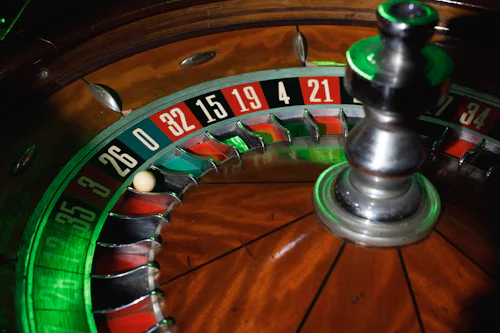
Additionally, game mechanics often include features that promote extended play, such as bonus rounds, free spins, and progressive jackpots. These elements enhance the gaming experience and can create a sense of achievement and satisfaction that keeps players engaged. When players feel they are making progress, even through incremental wins, it can stimulate them to continue playing, solidifying the game’s addictive nature. The thrill of unlocking new features or rewards can further entice players to keep spinning the reels or placing bets.
Furthermore, regular updates and new game releases also contribute to the ongoing engagement of players. By consistently providing fresh content, casinos can maintain players’ interest and counteract the natural ebb and flow of attention spans. New themes, mechanics, and interactive elements keep the experience dynamic and exciting, ensuring that players remain invested even after they have mastered existing games. This constant innovation in game design is essential for retaining player interest and preventing burnout, making it a key factor in the addictive nature of casino games.
Your Resource for Responsible Gaming
At our website, we are dedicated to promoting responsible gaming practices while providing valuable insights into the world of casino games. Our mission is to educate players about the psychological, social, and design elements that contribute to gambling addiction. By understanding these aspects, players can make informed decisions about their gaming habits and recognize the signs of developing an unhealthy relationship with gambling. We believe that awareness is the first step toward responsible gaming, and we strive to empower players with knowledge.
Additionally, we offer resources and support for those who may be grappling with addiction or seeking to help others. Our platform connects users to professional services and support groups that focus on fostering healthier gaming behaviors. We advocate for a balanced approach to gambling, emphasizing the importance of moderation and awareness in the pursuit of entertainment. Providing tools and resources to assist those in need is one of our top priorities, as we recognize the challenges that addiction can pose.
Ultimately, our goal is to create a safe and informative space for players to explore the captivating world of casino games while prioritizing their well-being. We believe that knowledge is a powerful tool in combating addiction, and we are committed to equipping our readers with the information they need to enjoy gambling responsibly. By fostering a community of informed players, we hope to mitigate the risks associated with gambling and promote a healthier gaming environment.